Table Of Content

An Italianate mansion built circa 1850 by Edward R. Ware, the Ware-Lyndon House in Athens showcases some of the most notable interior design features of the era. These include the 19th-century faux graining and murals on the walls, the shell in the decorative cornice plaster work, and the matching set of furniture in the front parlor. Joseph Manigault inherited several rice plantations and over two hundred slaves from his grandfather in 1788, and also married well. Arthur Middleton, father of his first wife, Maria Henrietta Middleton, was a signer of the Declaration of Independence. Following Henrietta’s death, he married Charlotte Drayton, with whom he had eight children.
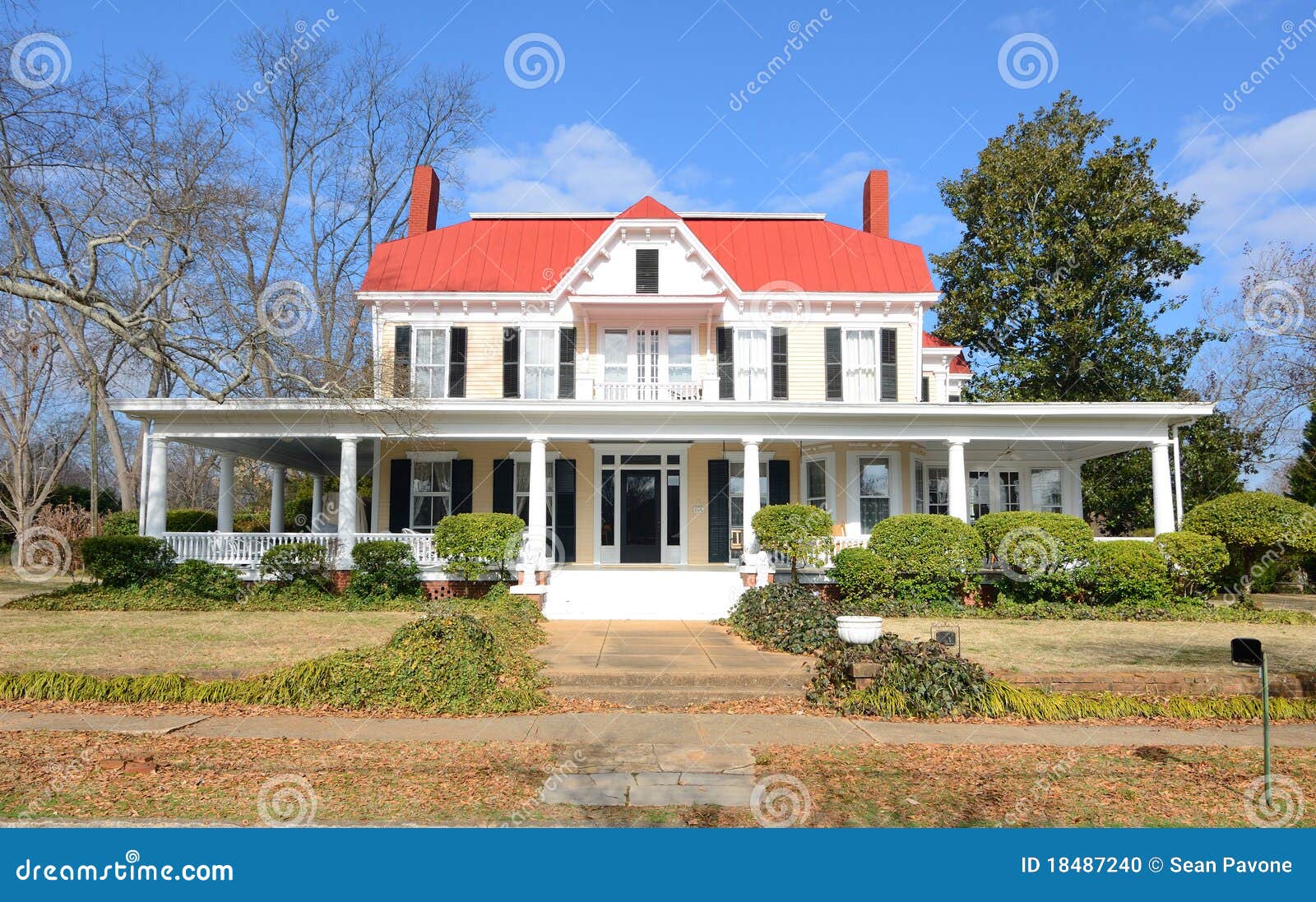
Verandas of Antebellum Architecture
The Charleston Museum purchased the house in 1933, and has preserved and interpreted it ever since. Many European-style architectures were incorporated into Federal, and the homes were heavily influenced by ancient Greek and Roman structures. After the American Independence, Federal homes won special recognition and were the architectural symbols of America’s hard-fought independence. Although this style has evolved over the last few centuries, modern-day’s French Colonial homes have retained many of their traditional features. They were once small and symmetrical structures, but over time, the number of rooms increased in an open-plan layout, which was not separated by a foyer. It is important to note that Antebellum isn’t a particular architectural style.
Ormond Plantation
The facade of the mansion is instantly recognisable due to its unique cupola, which provides sweeping views of the surrounding countryside. Grand hallways, elaborate mouldings, and exquisitely made woodwork all add to the mansion’s overall feeling of grandeur and elegance. Barrington Hall, located near Roswell, Georgia, is a stunning example of Antebellum architecture. One of the most intriguing characteristics of Barrington Hall’s construction is its use of natural materials. The house is mostly made of brick and locally procured wood, with the inside boasting a range of woods such as pine, oak, and mahogany. The magnificent Oak Alley Plantation in Louisana features a grand entryway, which is supported by six huge Ionic columns and covers the whole width of the house.
Fire heavily damages Civil War-era home in Stone Mountain Park Tuesday - WTVC
Fire heavily damages Civil War-era home in Stone Mountain Park Tuesday.
Posted: Tue, 14 Nov 2023 08:00:00 GMT [source]
Southern Charm: 10 of the Most Historical Southern Plantation Homes
It's impossible to calculate the full extent of Hurricane Katrina's damages. In addition to the loss of lives, homes, and jobs, towns along America's Gulf Coast lost some of their most valuable cultural resources. As residents began to clean up the rubble, historians and museum curators began to catalog the destruction. A portrait of Mary Henshaw, whose eyes are supposed to follow the observer throughout the room, hangs above one of the fireplaces. The first-floor basement has been converted into a cafeteria and a museum about the Randolph household and the plantation’s past. Initially, the area housed the dairy, laundry, wine cellar, and servants’ lodgings, as well as a bowling alley for the children’s entertainment.
Belle Meade Plantation
Antebellum houses are massive, opulent mansions (generally plantation estates) erected in the American South around three decades before the onset of the American Civil War. In the 1820s, the Greek Revival style gained much popularity in the US and Europe. This style became the rage after Mediterranean countries discovered ancient Greek buildings that revealed the classical forms of architecture introduced by the Romans and the Greeks. As a result, both the Southern and Northern US adopted this architectural style and built plantation mansions based on the Greek Revival architecture. In the American South, antebellum plantations were centered on a "plantation house," the residence of the owner, where important business was conducted.
Exterior Features
Enslaved people helped expand and renovate the houses when their owners wanted more. And this is to say nothing of the blood, sweat, tears, families, and lives lost as enslaved people worked to produce the crops that made the owners of the houses rich. Everyone deserves to be treated with dignity and respect and to have access to quality care.
Plantation house
This Antebellum architecture-style residence sits in Natchez, which was once one of the wealthiest towns in the South and a centre of cotton trading and plantation culture. Visitors may now tour the home and learn about its rich history, as well as the surrounding city and its many other historic sites. This Antebellum architecture-style mansion’s interior is equally spectacular! Picture a central hallway that runs the length of the house and boasts a towering ceiling with elaborate plasterwork.
Stanton Hall, for example, was owned by the descendants of Stanton for several decades after the Civil War, but eventually the financial burden was too much and it became the Stanton College for Young Ladies.

Gothic Revival
The inside of the house, like the majestic exteriors, is similarly stunning, with towering ceilings, exquisite mouldings, and superbly made woodwork all contributing to the overall impression of grandeur and elegance. Many of the plants and flowers in the well-kept gardens are Georgia natives, and they include a broad range of other species as well. It was not only practical but also a way to highlight the natural splendour of the Southern area, to use materials that were acquired locally. Brick and stone gave the structures a timeless character that has stood the test of time. The distinctive red colour of Southern brick, for example, is a distinguishing element of many antebellum structures and has come to represent the region’s architectural legacy.
Although southern architecture was extremely popular across the American South for decades, few true southern homes still stand today. As previously mentioned, it's estimated that fewer than 20 percent of pre-war southern homes remain intact. Additionally, southern architecture hasn't experienced a major resurgence, like Spanish Colonial or mid-century modern homes did in the 20th and 21st centuries.
They also brought in a slave labor force, which allowed the plantation owners to keep most of the profits for themselves. Now a historic house museum, visitors can tour the large manor, an 1815 icehouse and smokehouse, a slave cemetery and a heritage apple orchard — all set against a stunning mountain backdrop. Located in Thomasville, Georgia, this antebellum plantation and museum was first established when Thomas Jefferson Johnson purchased the land in 1825. Johnson first raised cotton and then introduced rice, a profitable crop in Georgia during the 19th century.
The Antebellum architecture draws its inspiration from a variety of Southern home traditions. These homes often exhibit characteristics from the Greek Revival as well as French Colonial and others, which we will go into more detail about here. The roof is typically hipped or gabled and crowned with roomy central Italianate cupola, or onion dome, that formerly offered a view of the plantation grounds. Their wealth was further fueled by the technological advances of the Industrial Revolution that peaked between 1820 and 1860, overlapping the Antebellum period. New farm machinery made agriculture more productive while the growing railway system made it more profitable to ship goods around the country.
But there are also antebellum homes featuring Georgian, Italianate, and Gothic Revival styles. Her first job was cleaning windows at a white family’s house—one time, all day, for six dollars. I worked for them for nine years.” Momma’s memory was as clear as the sky the morning we left. If so, one argument goes, not only should the houses stay up; they should be preserved and protected. Rather, it is a time and place in history — a period in American history that triggers great emotions even today.
Common or smaller planters in the late 18th and 19th century had more modest wood-frame buildings, such as Southall Plantation in Charles City County. A fine example of Antebellum architecture, the Wavering Place was constructed in the late 1700s and combines Federal and Greek Revival design elements. The estate was once a flourishing cotton plantation, but it is now a magnificently conserved historic property that gives tourists an insight into the antebellum South’s history and culture. Without confronting the difficult truth of slavery, which was so closely related to Antebellum architecture, it is hard to discuss this period’s architecture. Many of today’s large and intimidating antebellum structures were erected with the blood, sweat, and tears of enslaved people.
By holding your event at the Sowden House, you can feel comfortable that your money is going towards a wonderful purpose. The Sowden House supports various nonprofit organizations around the world by hosting fundraising events on our unique property. The Sowden House's wonderful landscape and design can be the perfect backdrop to a memorable experience. Designed in 1926 by renowned architect, Lloyd Wright, the Sowden House is a meticulously renovated 6,000 square-foot neo-Mayan mansion in the heart of modern Hollywood. The house is rectangular in shape, with four connected wings looking in on an enclosed central courtyard. Famous as the home of author Flannery O’Connor from 1951 to 1964, Andalusia Farm in Milledgeville had been constructed a hundred years earlier in 1850.




No comments:
Post a Comment