Table Of Content

Carpenter bees are important contributors to the natural pollination process, helping to ensure the survival and reproduction of various plant species. Their foraging activities and interactions with flowers facilitate the transfer of pollen, leading to the production of seeds and fruits. By actively participating in efforts, you can have a direct impact on the well-being of native bees. Your contributions, no matter how small, can make a significant difference in preserving these vital pollinators for future generations.
What Are Carpenter Bees and How Do You Get Rid of Them?
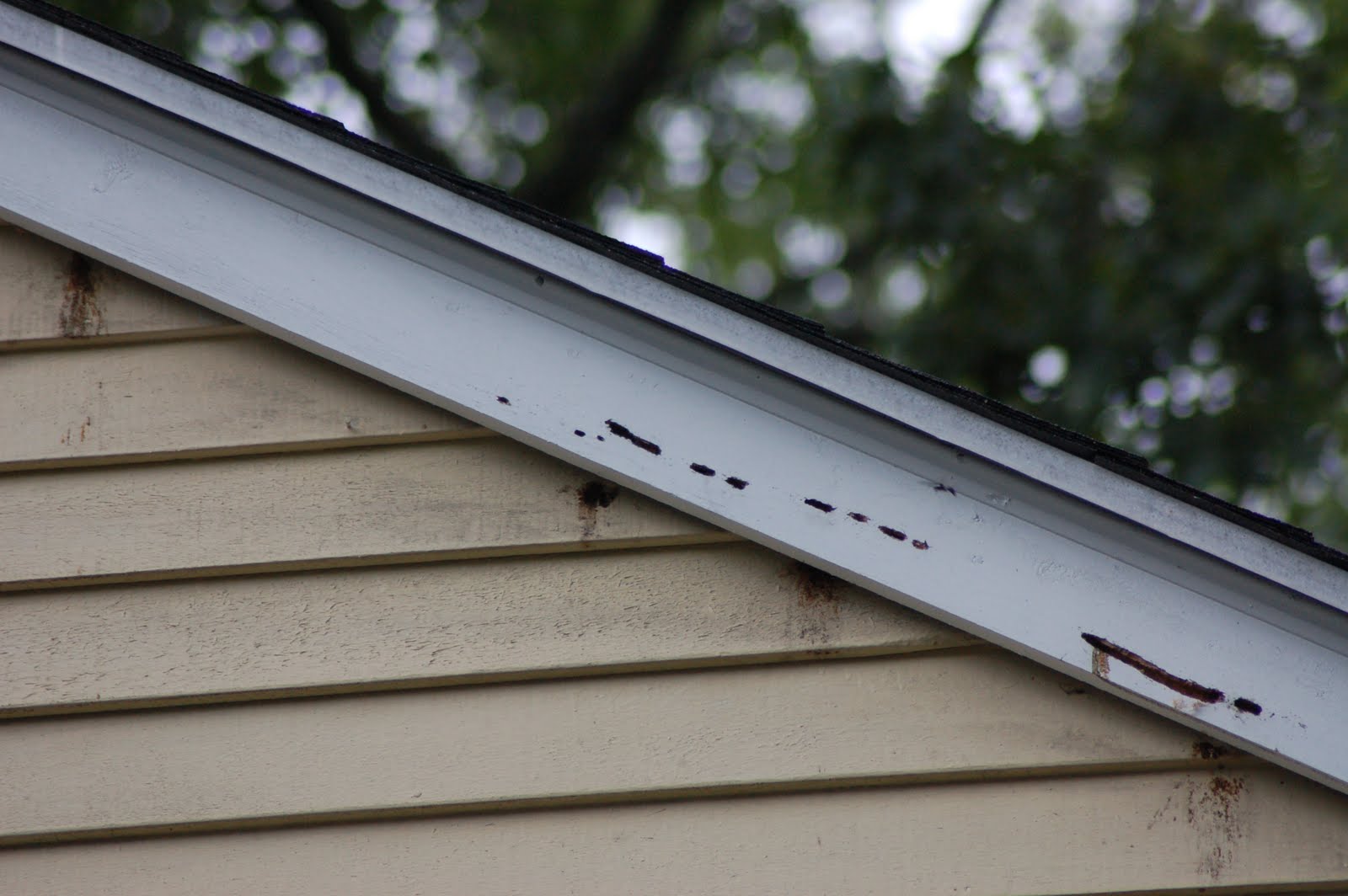
Female Carpenter bees can sting if they feel threatened, but males do not have stingers at all. Remember, most bees sting because they are either feeling threatened or protecting a colony–and Carpenter bees do not have a colony to protect. Most solitary bees are quite docile unless disturbed, and many cannot even sting.
How to Build DIY Bee House to Attract Pollinators to Your Garden
Where Have All the Big Bees Gone? Applied Ecology NC State University - NC State CALS
Where Have All the Big Bees Gone? Applied Ecology NC State University.
Posted: Fri, 07 Jun 2019 07:00:00 GMT [source]
With the bee house fully assembled, it’s time to find the ideal spot for installation. Mount the bee house on a sturdy wooden structure like a post, tree, or tall fence. Although not necessary, you might want to add some final touches to enhance its appearance.

Repairing Damaged Parts
I’m no expert, but from what I’ve read, the houses are to encourage these bees to reproduce in your yard. Carpenter bees are among the native species that pollinate around 15% of our agricultural crops… so we want to encourage them. Carpenter bees are really fun to watch and kids love the distinction between them and Bumblebees – which are larger than Honeybees but smaller than Carpenter bees. Carpenter bees have a “shiny hiney” and Bumblebees have a “fuzzy butt” … at 52 this still makes me giggle LOL. Bee houses can be left out year-round—especially if you have plugged tubes, which is a sign that fully developed cocoons are nesting inside!
If you’re worried about extremely cold temperatures, place the filled tubes in an unheated barn or shed where temperatures stay between degrees. In the spring, put the tubes in a cardboard box with an exit hole for the new bees. Once all of them have emerged, wash and brush the tubes with warm soapy water and a mild bleach solution. You may also choose to replace the tubes rather than wash them.
These alternatives aim to reduce the demand for wood and promote sustainability. Carpenter bee houses offer a range of benefits that make them a valuable addition to any garden or property. Not only do they provide natural pest control, but they also contribute to the preservation of wooden structures and support pollinators.
First, it is readily available and easy to work with, making it accessible for DIY enthusiasts. Second, untreated wood is free from harmful chemicals that could potentially harm the bees or the environment. Using untreated wood ensures that the carpenter bee house provides a safe and natural habitat for these important pollinators.
Placement of Carpenter Bee Houses
It houses the seventh largest insect collection in North America. The global collection totals more than seven million specimens, and focuses on terrestrial and fresh water invertebrates. When a Davis resident felled a plum tree, hordes of green-eyed, apricot-colored insects tumbled from the wood. Not much is known about the floral associations of Xylocopa (Bomboixylocopa) but most members of the genus Xylocopa are generalist pollinators. For those who might be concerned about getting stung, most native species are not aggressive and won’t bother you. Hi Kate,The above were suggestions but I’m sure if you have one that’s slightly smaller, it should work.
Letter 31 – Male Valley Carpenter Bees flying in Mount Washington
By protecting the population of carpenter bees, we contribute to the overall stability and resilience of the ecosystem. To ensure the successful establishment of carpenter bees in the house, it is best to place it in a quiet and secluded area. This could be at the edge of your property, away from frequently visited areas. By providing them with a peaceful environment, you are more likely to attract carpenter bees and encourage them to make the house their home.
In this section, we will explore protective measures for wooden structures, natural repellents and deterrents, and professional pest control options. If the interior of the bee house does not have enough unpainted wood surfaces, the bees may be discouraged from nesting. It is important to ensure that the nesting chambers are made from untreated wood, as painted or chemically treated surfaces can repel the bees. When choosing a sealant for your carpenter bee house, it is crucial to select a product that is safe for bees and the environment.
Remember, when dealing with carpenter bees, it is important to prioritize the safety of both humans and the environment. Before implementing any control measures, consider the severity of the infestation and consult with a professional if needed. Pallets are fantastic for different species of bees because they can accommodate a variety of different design elements. Each layer can include something different, like a wood box house, cinder blocks, straw, old wooden logs with holes drilled into them, or even clay bee houses. One of the most crucial elements for attracting carpenter bees to a house is providing them with adequate nesting material. This is where many people make a common mistake by not including enough suitable materials for the bees to construct their nests.
Additionally, the Valley Carpenter Bee lacks the metallic blue sheen on the female’s abdomen, which serves as a clear distinguishing feature. Take layers of sod and stack them up, with the dirt facing upward. Choose a wildflower mix to plant right on top of the sod stack. The layers of earth and wildflowers will attract Mining bees to your garden. Using a ½ inch drill bit, simply drill holes into the block of wood, taking care not to drill all the way through the block.




No comments:
Post a Comment